

Nestled just 30 km southwest of Amman, Madaba is one of Jordan’s most historically and artistically significant cities. Often referred to as the “City of Mosaics,” Madaba is best known for its astonishing collection of Byzantine-era floor mosaics, including the famous Madaba Map, the oldest surviving cartographic representation of the Holy Land. But the city’s value goes far beyond a single artifact—it’s a vibrant center of cultural heritage, religious coexistence, and living craftsmanship.
Historical Background: A City Layered in Time
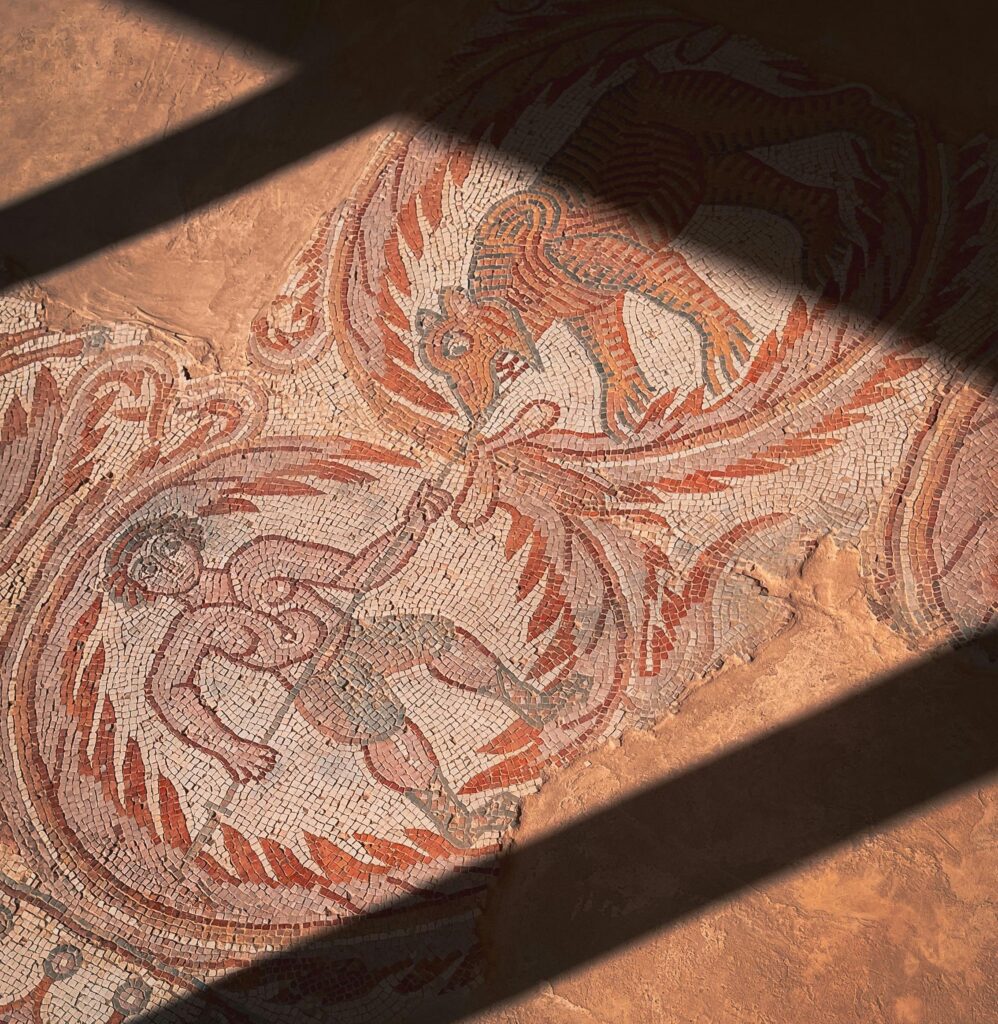
Madaba’s history stretches back to the Bronze Age (around 2,000 BCE), having been part of the Moabite kingdom mentioned in the Bible. Later, during the Roman and Byzantine periods, the city flourished as a provincial center, particularly in the 6th and 7th centuries AD. It became a major Christian hub, dotted with churches, monasteries, and palaces—many of which were adorned with breathtaking mosaics.
Following an earthquake and decline during the Islamic era, Madaba was largely abandoned until the late 19th century when Christian families from Karak resettled the town. During construction, they discovered the now-famous mosaics beneath the rubble of ancient churches.
A Glimpse into History
Madaba’s story dates back thousands of years. It’s mentioned in both the Old and New Testaments, and was a thriving Byzantine center known for its religious significance and artistic achievements. Today, visitors come not only for its deep roots in Christian heritage, but also for the stunning mosaics that have made it famous worldwide.
A short walk from the church lies the Madaba Archaeological Park, which brings together several ancient structures and mosaic-covered floors from churches and Roman villas. Key highlights include:
- The Church of the Virgin Mary: Built on a private Roman house, with well-preserved mosaic inscriptions.
- The Burnt Palace: A large, ruined mansion with beautiful geometric mosaics.
- Roman Road Segment: A reconstructed Roman street lined with columns and remnants of ancient homes.
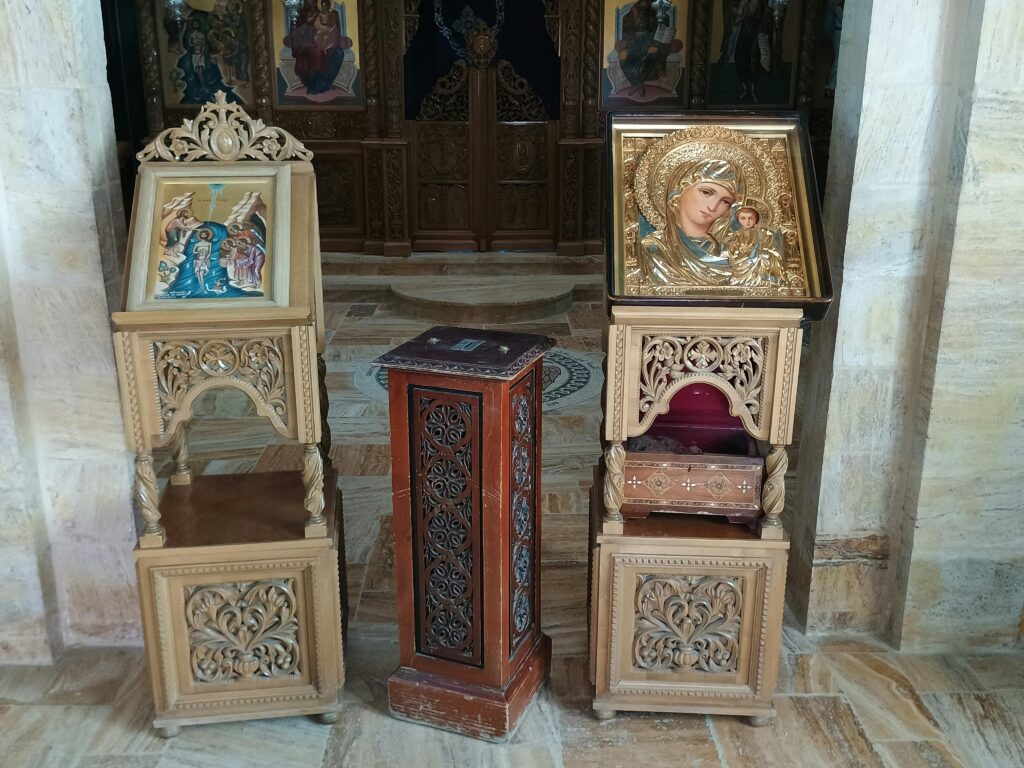
Madaba Museum – Tracing the Town’s Past
The Madaba Museum offers a curated journey through the city’s layered history, with collections of mosaics, pottery, coins, and early Christian artifacts. It’s ideal for travelers wanting to understand the broader historical context of Madaba’s artistic legacy.
Madaba isn’t just preserving history—it’s living it. The Madaba Institute for Mosaic Art and Restoration is one of the world’s leading schools dedicated to mosaic conservation and creation. You can visit the institute or several nearby workshops where artisans still handcraft stunning mosaics using traditional techniques.
From mosaic coasters to large wall panels, these pieces often become sought-after souvenirs or commissioned artworks shipped around the world.
Visiting Tips
- Best time to visit: Spring (March–May) and Autumn (September–November) for mild weather.
- Entrance fees: The Jordan Pass covers most major sites, including Madaba attractions.
- Nearby sights:
- Mount Nebo (10 min drive): Where Moses is believed to have viewed the Promised Land.
- The Dead Sea (30 min): Ideal for a combined cultural and wellness day trip.
- Souvenirs: Authentic mosaic pieces, ceramics, and Dead Sea products.